The 1970s
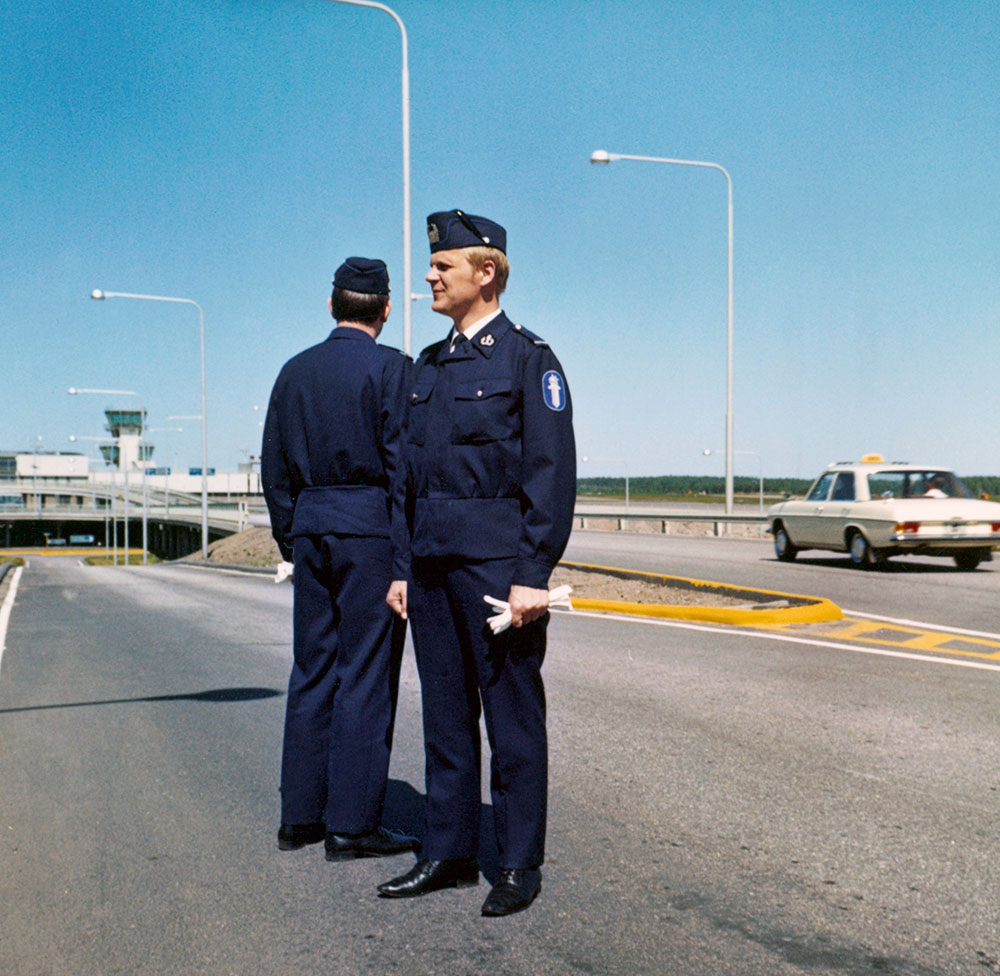
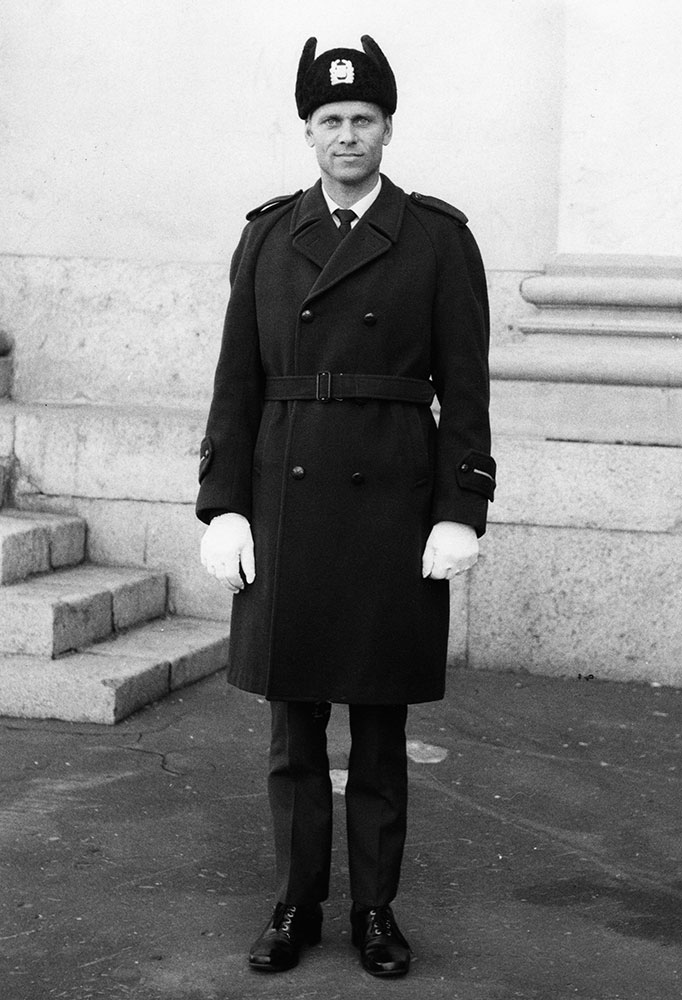
The Ministry of the Interior enacted a new decision on the police uniform in 1971. The uniform coat of 1951 remained the same as before, but the old coat with the closed collar was discontinued. The summer coat of 1953 was still included, but in practice, its popularity was fading.
The decision of 1971 was complemented with additional instructions published in the Police Order. The uniform was given five official sets. The set for daily work consisted of either the coat of 1951 or the jacket of 1968 along with either long trousers or baggy trousers worn with boots. For festive occasions, four sets of clothing were defined: the visit set, the small-party set, the party set and the parade set. Apart from a belt for festive occasions, no separate representation clothes existed, and the regular uniform was, with certain modifications, worn on festive occasions.
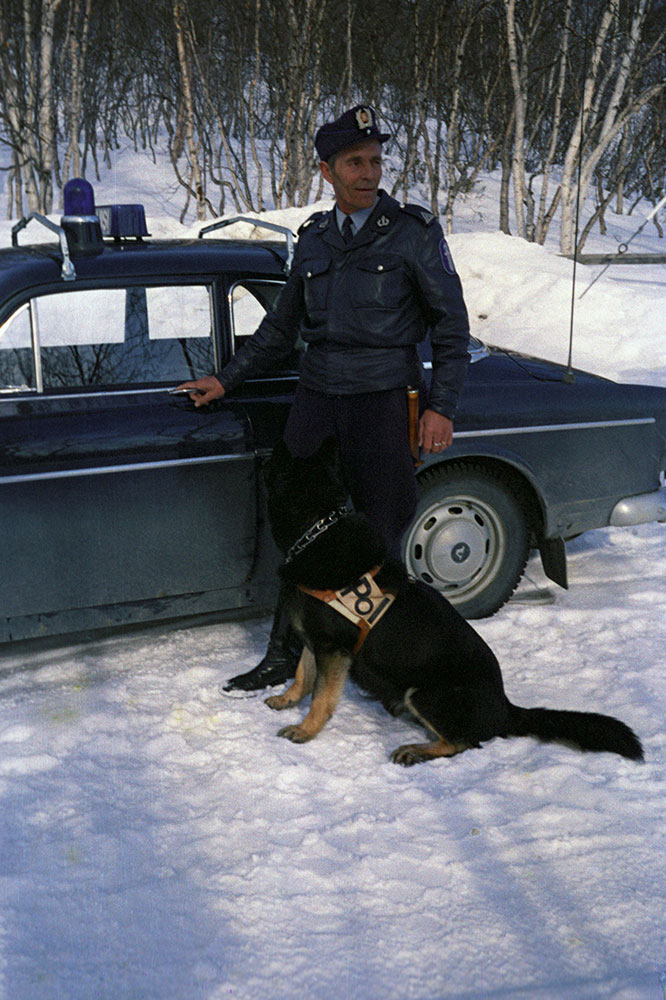
The field jacket of 1968 became the hit item of the 1970s. Being shorter than the other coat and tightly buttoned, it was more practical to wear. In addition, the materials were lighter and the overall appearance more modern. In 1970, the uniform subsidy system was modified, making it cheaper for the individual officer to buy a new uniform, and this increased the willingness of policemen to change uniforms.
The uniform of 1971 included a new overcoat that had already been introduced in 1970. The Police Equipment Depot and the company Villayhtymä Oy had developed a new kind of material that was both water-resistant and mothproof. The coat was designed for winter use as an alternative to the thick greatcoat.
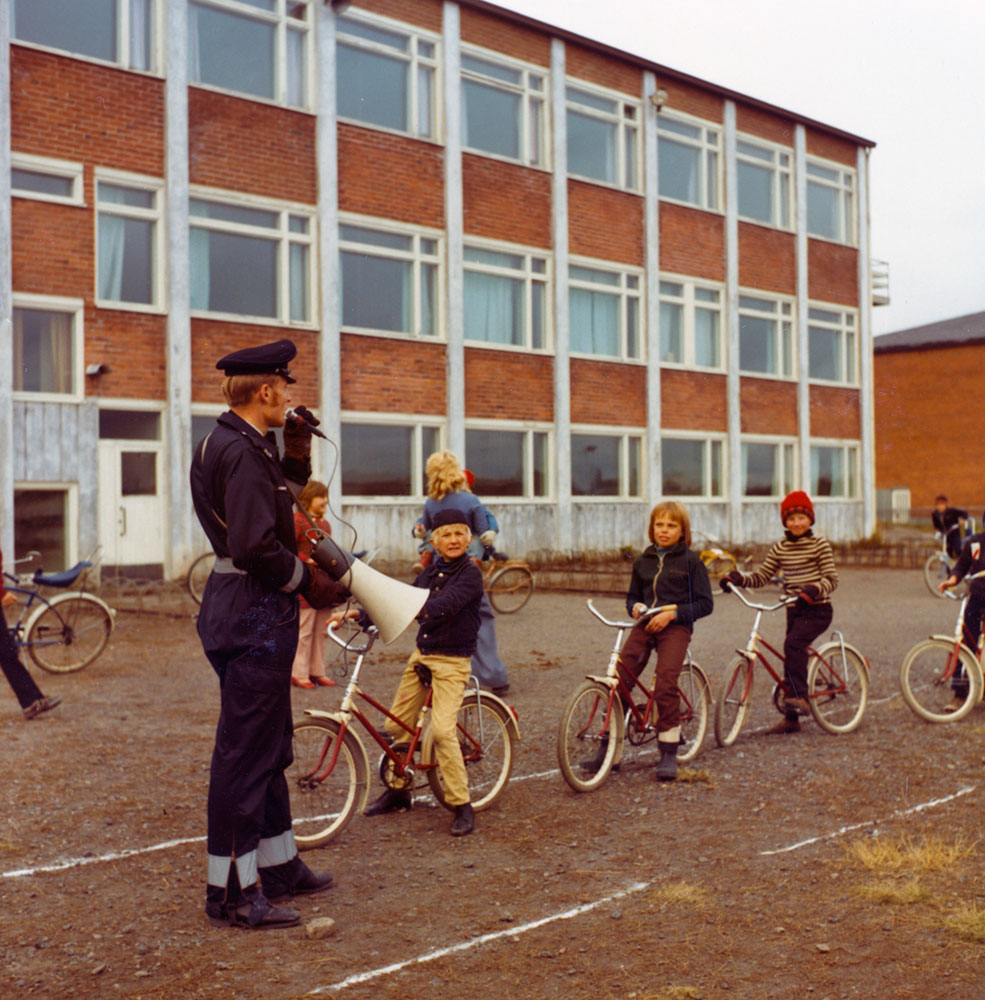
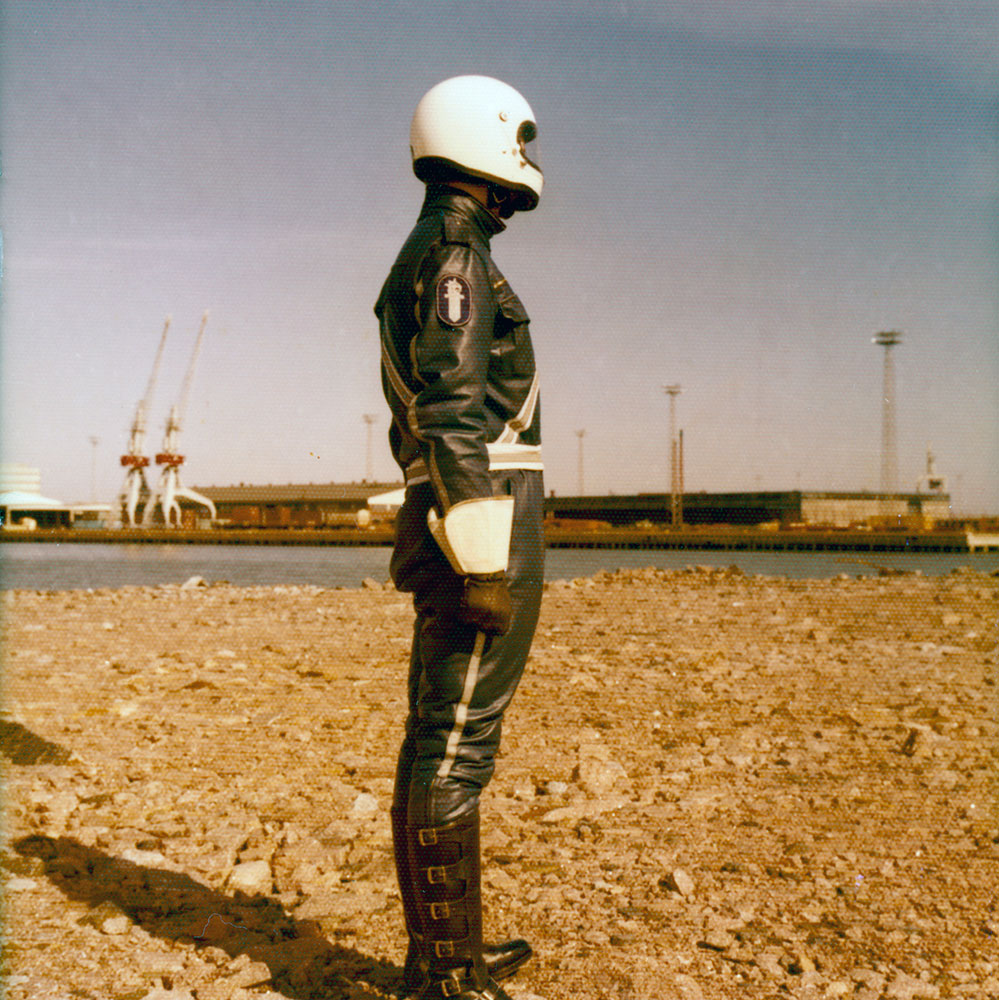
In retrospect, the most significant uniform innovation of the 1970s was the protective suit of 1970. The suit was designed for motorcycle officers and others carrying out special tasks. The materials available were mixed fabric, leather and artificial leather. The suit was made safer by including reflective bands on the legs. In 1973, the protective suit was renamed the special suit, and from then on it featured the police emblem and rank insignia. The suit covered the entire body and can be regarded as a predecessor to the later coveralls. In the 1970s, however, there were no plans to turn this suit into an everyday field uniform.
In the 1970s, the main goal of uniform designers was to make the clothes more comfortable and practical. The Police Equipment Depot searched for and developed new materials for future use: terylene wool blend fabric was suitable for indoor use, and plastic-coated Enstex could be used for protective suits. The first Police Uniform Committee consisting of members from various police units was formed in 1978. The task of the committee was to identify ways in which existing uniform items should be improved and what kind of new items were needed, and this the committee did by first collecting feedback from officers in the field. At this point, the work of the committee was to be only temporary.